Overcoming the data disconnect in safeguarding
28 January 2026
Too often, vulnerable people are only identified when it is already too late. Safeguarding professionals are forced to make decisions with only part of the picture, as crucial information is spread across disconnected services and systems. This makes it harder to spot risks, see patterns or act early, leading to delayed or inappropriate support.
In this webinar, we explored how councils and safeguarding partners are tackling this challenge by improving the way data is shared and used. We shared practical approaches to using daily, structured data feeds to inform decisions, identify concerns earlier and support coordinated prevention work across teams.
Listen back to hear
- Introduction: The safeguarding problem we’re solving
- Walsall Council: Broadening horizons with education data
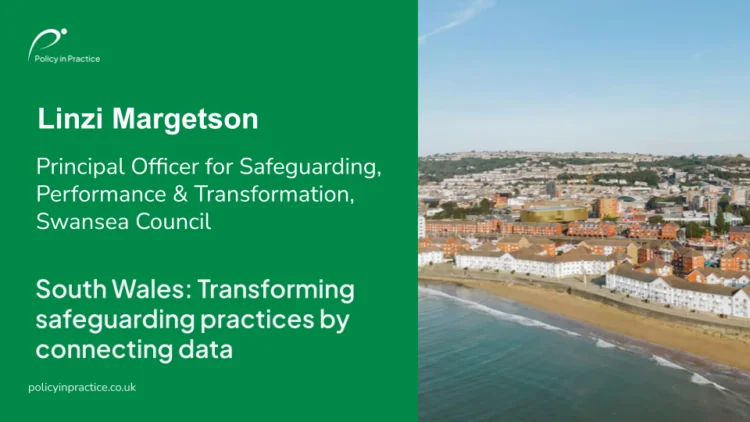
- South Wales: Transforming safeguarding practices by connecting data
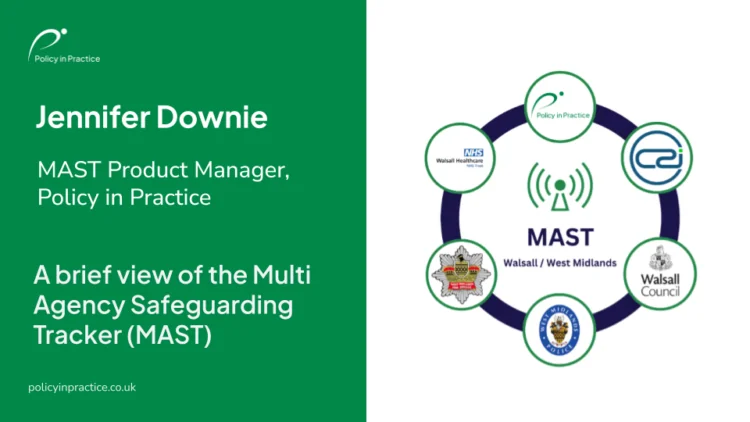
- A brief view of the Multi Agency Safeguarding Tracker (MAST)
- The future of safeguarding: Connecting to welfare
Guest speakers




Listen back to our speakers
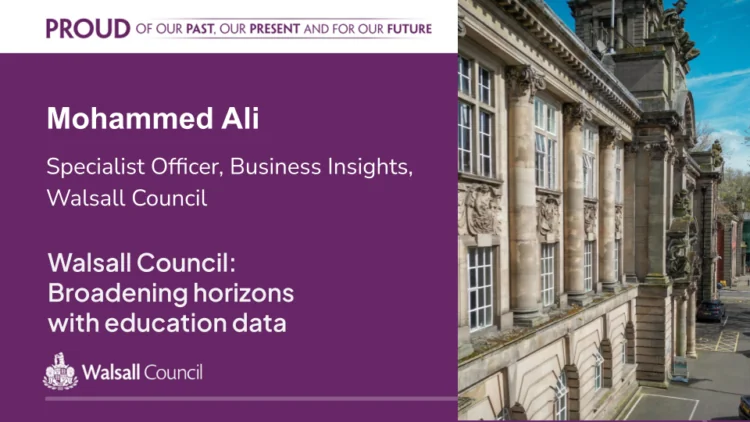
"Within Children’s Services in our local authority, partnership is key. By uploading data into MAST, we can work alongside West Midlands Police, the NHS and other local authorities to help safeguarding professionals spot risks, identify patterns and provide the best support for children."
"A search on MAST helped us identify an up to date address for a 17 year-old sibling who had become effectively invisible to services. That information was shared immediately and the young person was offered bereavement and mental health support and is now in college after a few sessions with their outreach worker."

"One of the key findings from serious case reviews is that information sharing could have helped prevent suffering and in some cases the death of children. Time and again, reviews also highlight issues with sharing information between police, health and social services."